
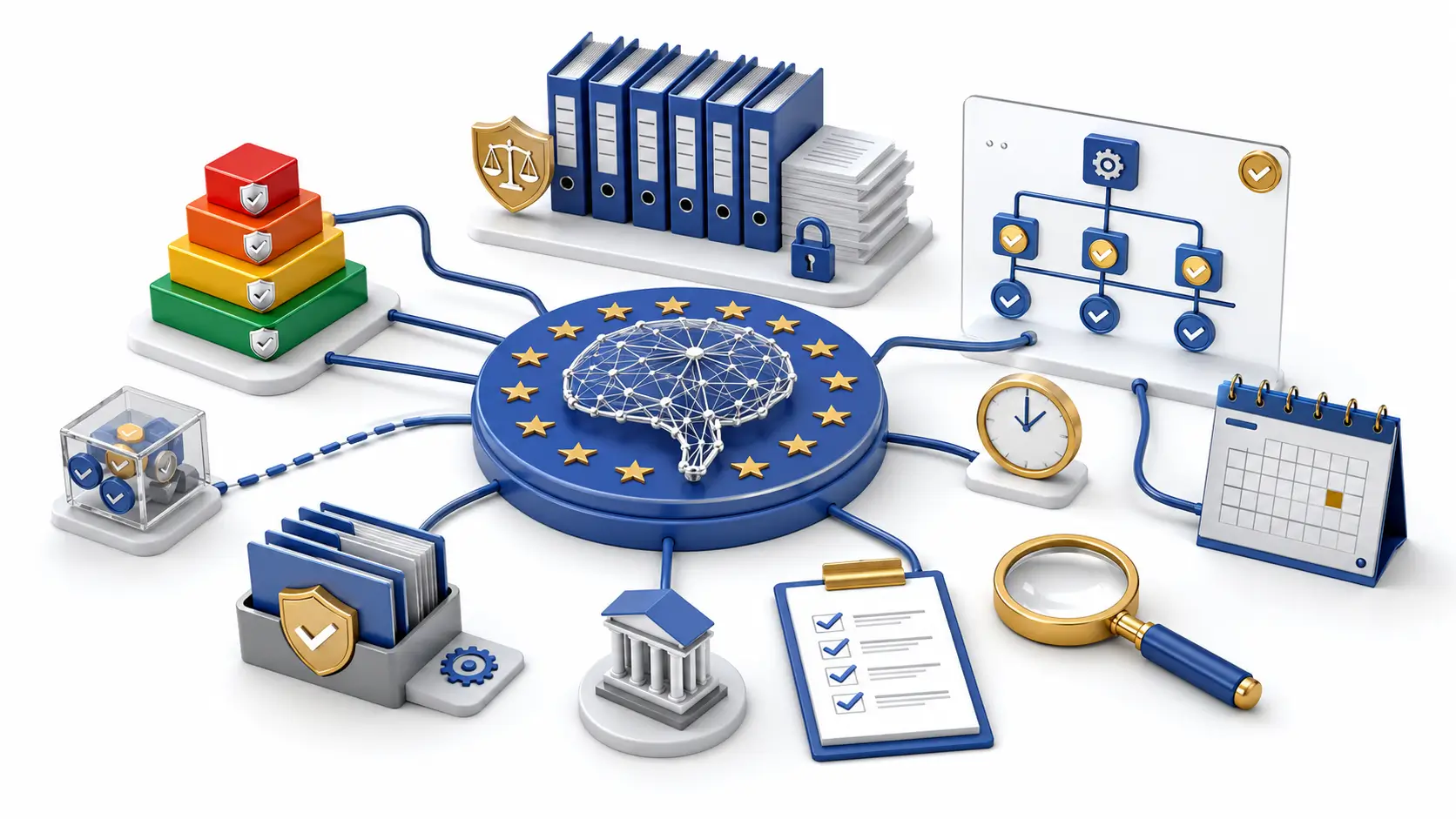
EU AI Act Compliance Guide: 2026 Business Checklist
At the pillar level, EU AI Act compliance is a control room: classify systems, assign owners, collect evidence, and moni...

AI Governance Maturity Model: 5 Enterprise Readiness Levels
AI Governance Maturity Model: The 5 Enterprise Readiness Levels for 2026 An AI governance maturity model helps enterpris...

AI Governance Evidence Pack: 15 Audit-Ready Documents
AI Governance Evidence Pack: 15 Audit-Ready Documents Buyers and Regulators Expect An AI governance evidence pack is the...

AI Governance as Competitive Advantage: Why Responsible AI Builds Customer Trust (2026)
In 2026, AI governance has crossed from compliance cost to competitive asset. The organizations that understood this fir...
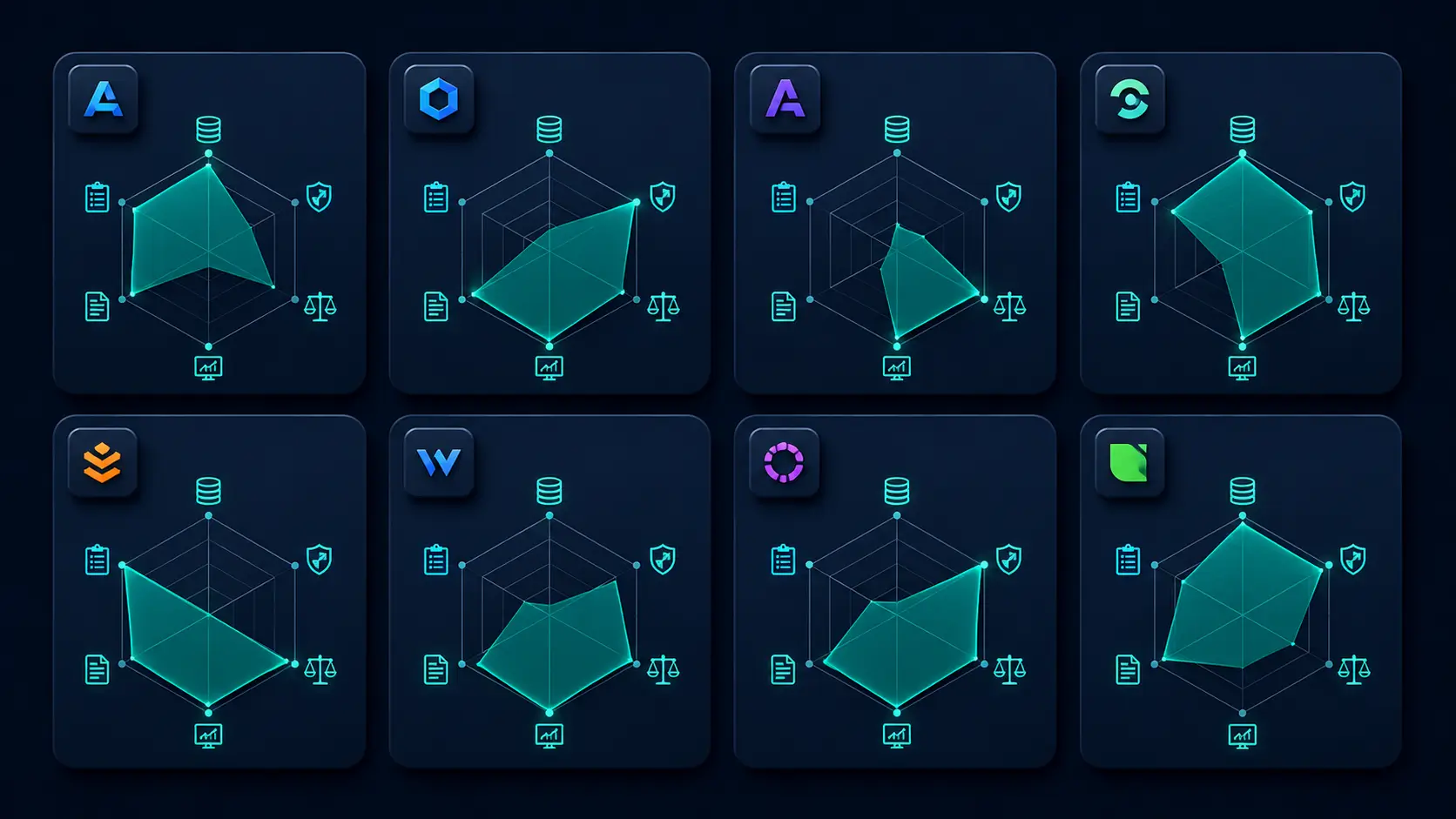
Top 8 AI Governance Tools and Platforms to Watch in 2026–2027
The AI governance software market has matured from spreadsheets to purpose-built enterprise platforms — with meaningful ...
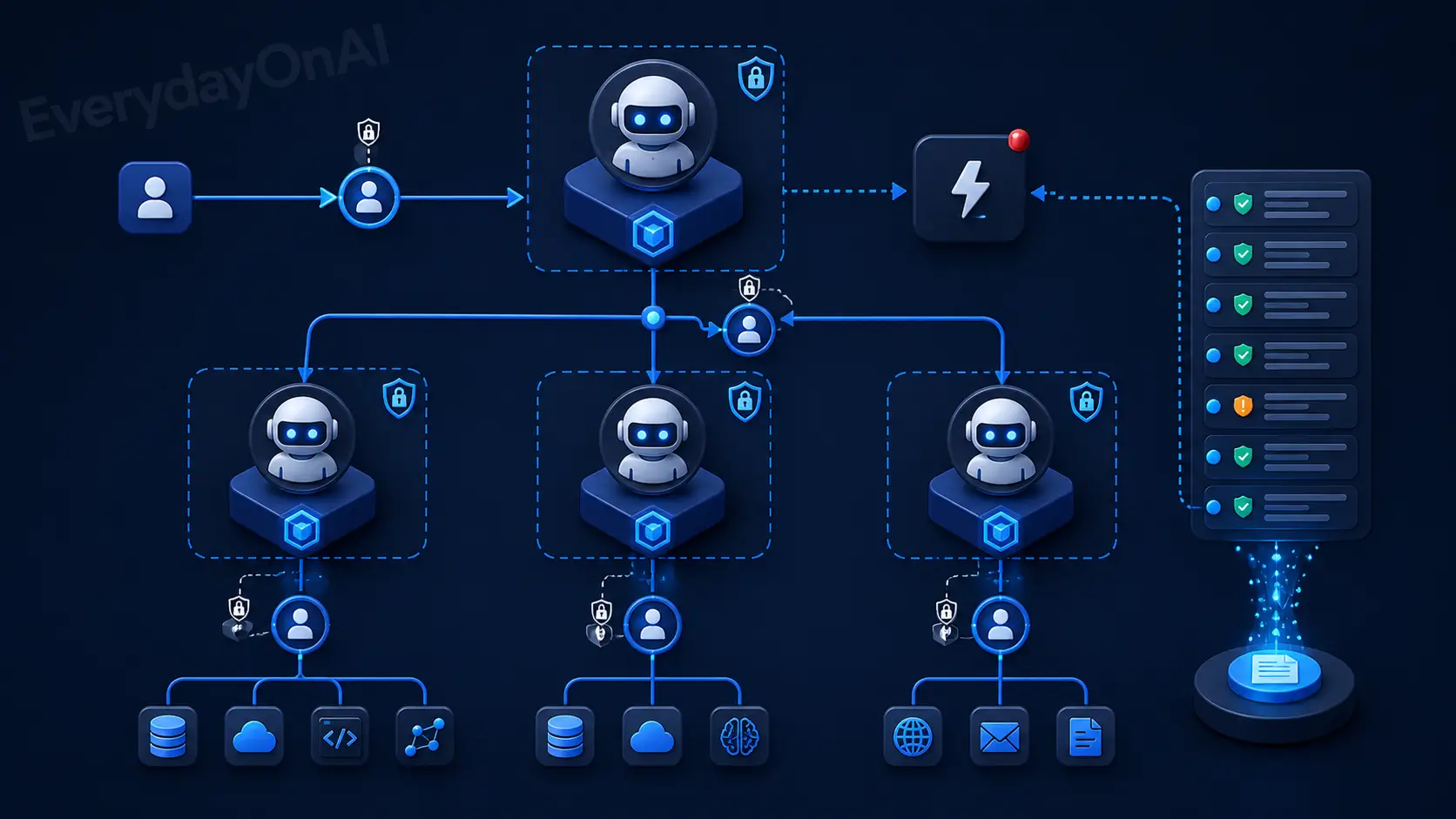
How to Govern Agentic AI Systems: A Practical Playbook for 2026
Agentic AI governance requires controls that conventional AI governance wasn’t designed for — permission boundaries, tie...
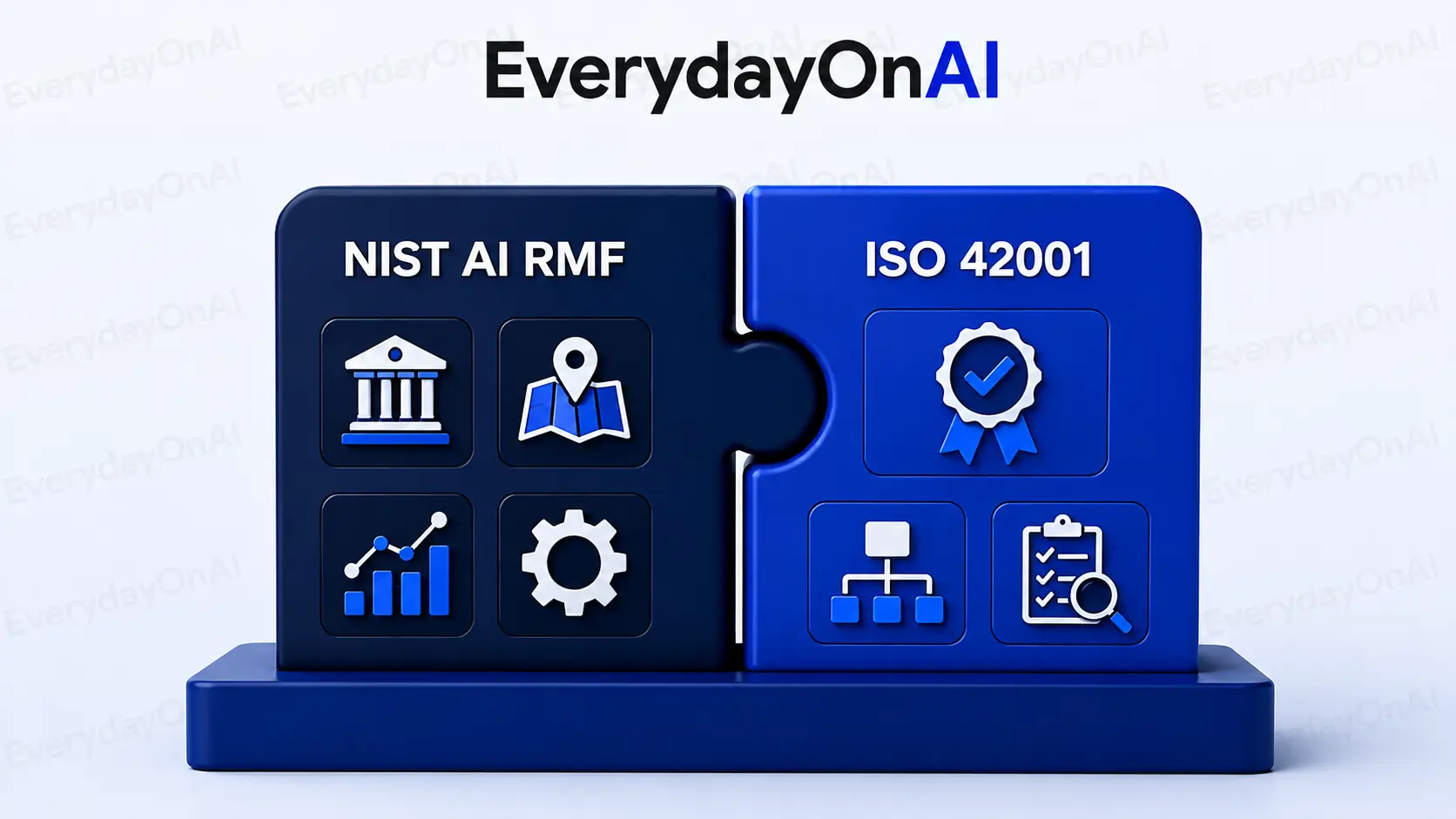
ISO/IEC 42001 vs. NIST AI RMF: Which AI Governance Standard Is Right for Your Organization? (2026)
ISO 42001 and NIST AI RMF are not competing alternatives — they are complementary layers. NIST provides the operational ...

Algorithmic Bias Audit: What It Is, How to Do It, and Why Regulators Require It (2026)
An algorithmic bias audit evaluates whether an AI system produces discriminatory outcomes for different demographic grou...

How to Build an AI Governance Committee: Structure, Roles & Decision Rights (2026)
Most organizations that “have an AI governance committee” have a meeting — not a governance body. The difference is docu...

AI Governance for Enterprise: How to Move from Policy to Operational Readiness (2026)
By 2026, enterprise AI governance has crossed a critical threshold: the organizations that win are not those with the be...

What Does a Chief AI Officer (CAIO) Actually Do? Role, Responsibilities & Why You Need One (2026)
The CAIO role has evolved from symbolic appointment to operational necessity — adoption nearly tripled in twelve months....
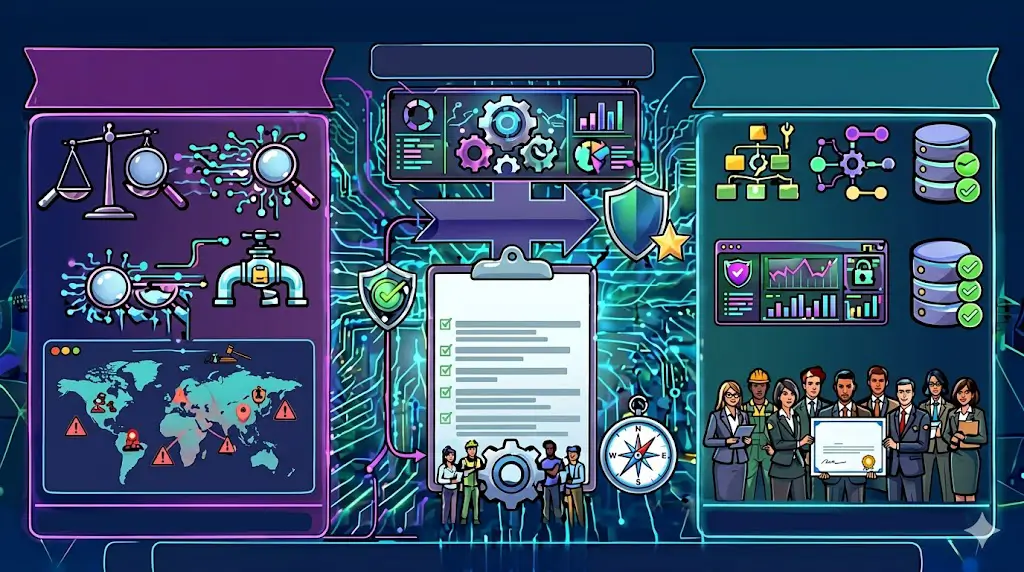
AI Governance Checklist: 25 Questions Every Organization Must Answer Before Deploying AI
This checklist is designed as a pre-deployment gate — 25 questions that surface governance gaps before they become regul...
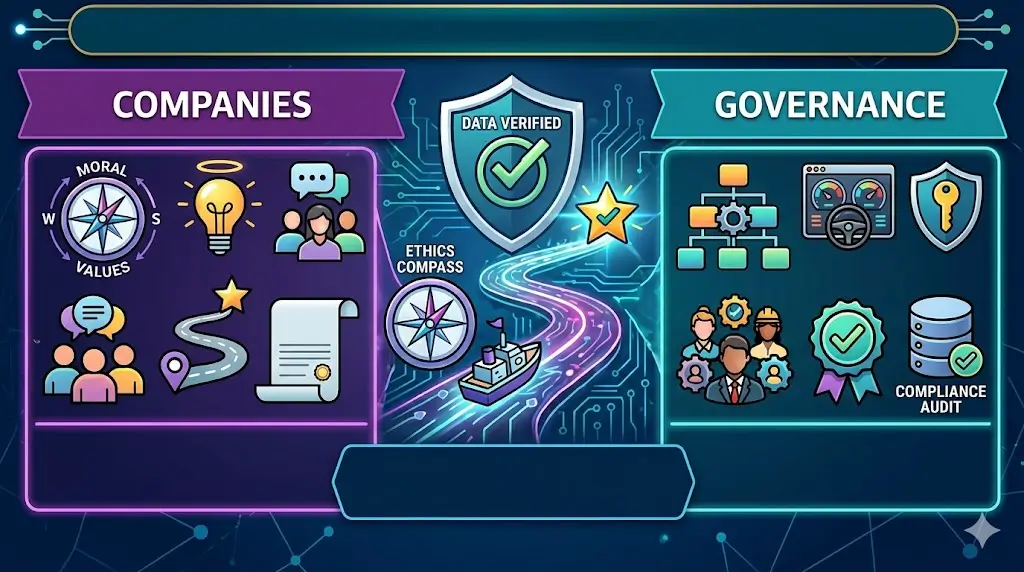
AI Governance vs. AI Ethics: What’s the Difference and Why Both Matter
Ethics defines where you’re trying to go. Governance is the system that ensures you actually get there — and can prove i...
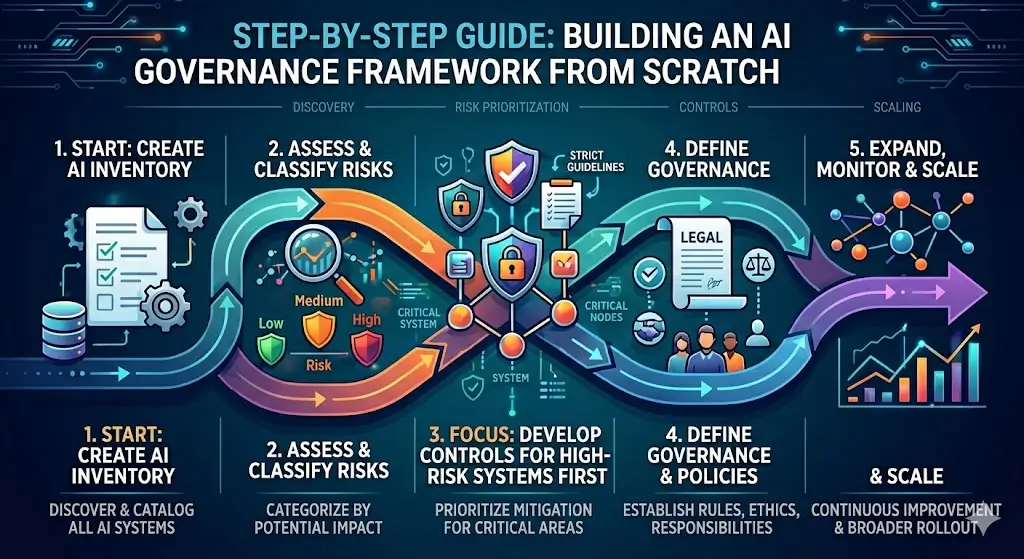
How to Build an AI Governance Framework from Scratch (Step-by-Step Guide)
Building an AI governance program is a phased process. The most important decision is sequence — start with AI inventory...
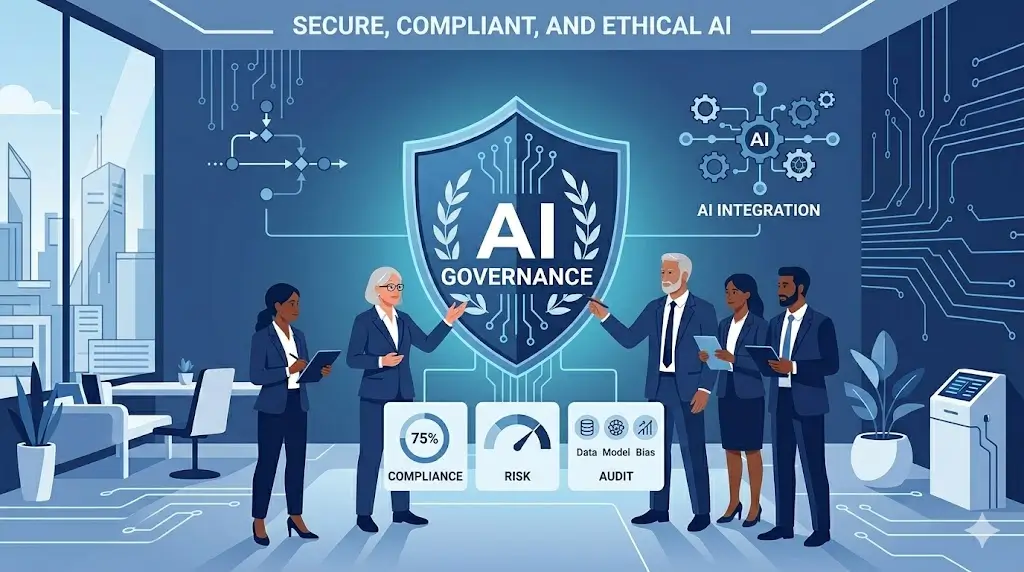
7 AI Governance Frameworks You Should Know in 2026 (NIST, ISO 42001, EU AI Act & More)
Seven frameworks currently define how AI is governed globally. They aren’t competing alternatives — they’re a layered sy...
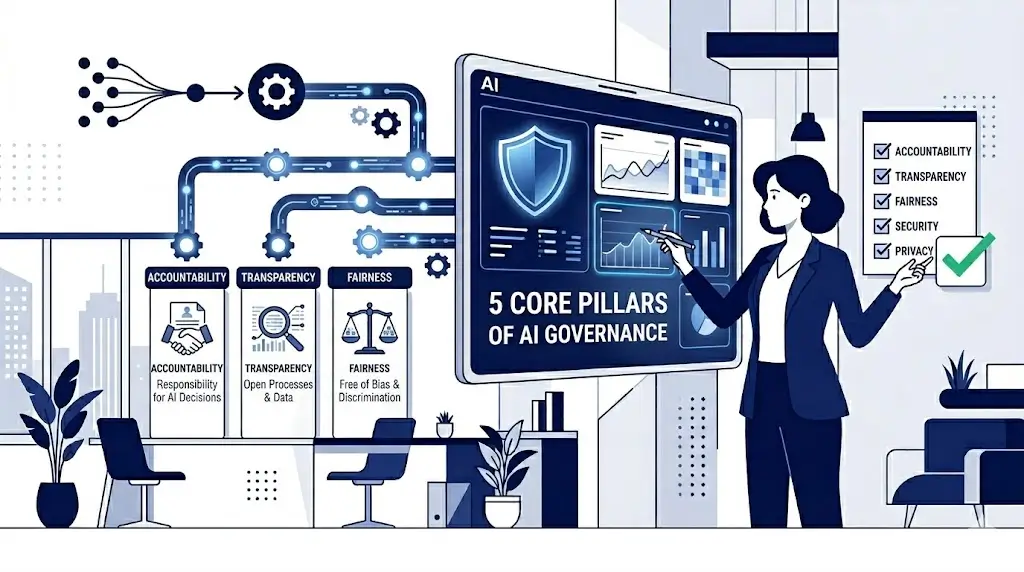
The 5 Core Pillars of AI Governance: Accountability, Transparency, Fairness, Security, Privacy
The five pillars of AI governance appear consistently across every major framework — NIST AI RMF, ISO 42001, EU AI Act, ...
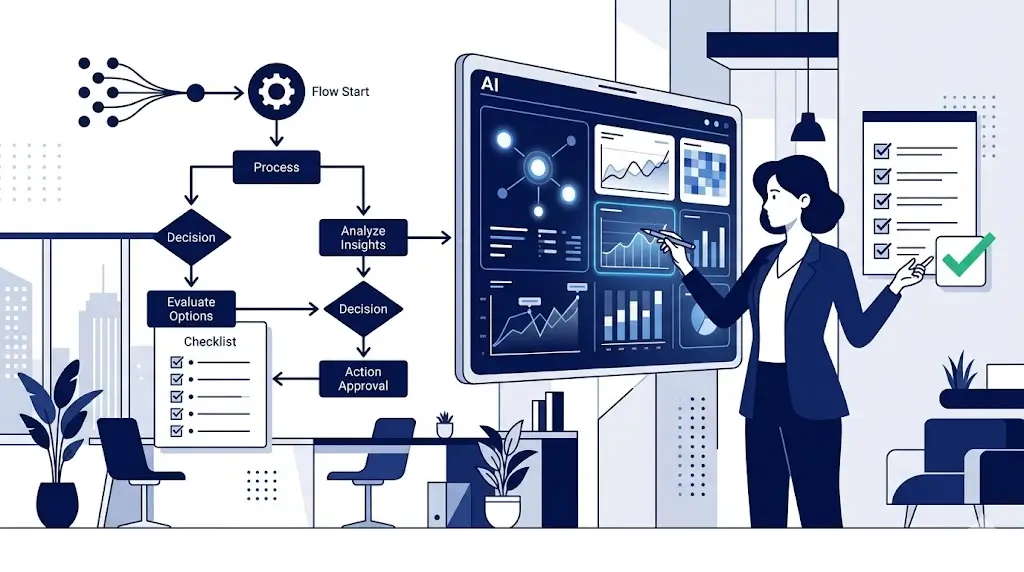
What Is AI Governance? A Plain-English Definition for Business Leaders
AI governance is the system that determines who controls your AI, what guardrails it operates within, and who is account...

AI Governance in 2026: Frameworks, Compliance, Risk Management & Best Practices
AI governance is the operating framework that determines how AI systems are approved, deployed, monitored, and retired. ...
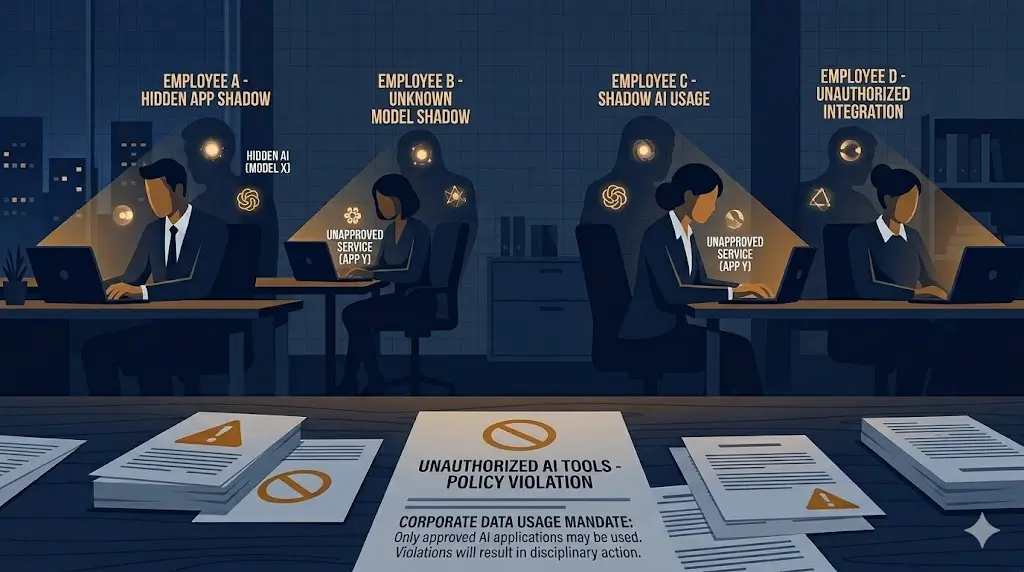
Shadow AI: The Silent Compliance Risk Your Legal Team Hasn’t Noticed Yet
Here’s a question worth asking your team in your next compliance meeting: How many AI systems is your organization curre...
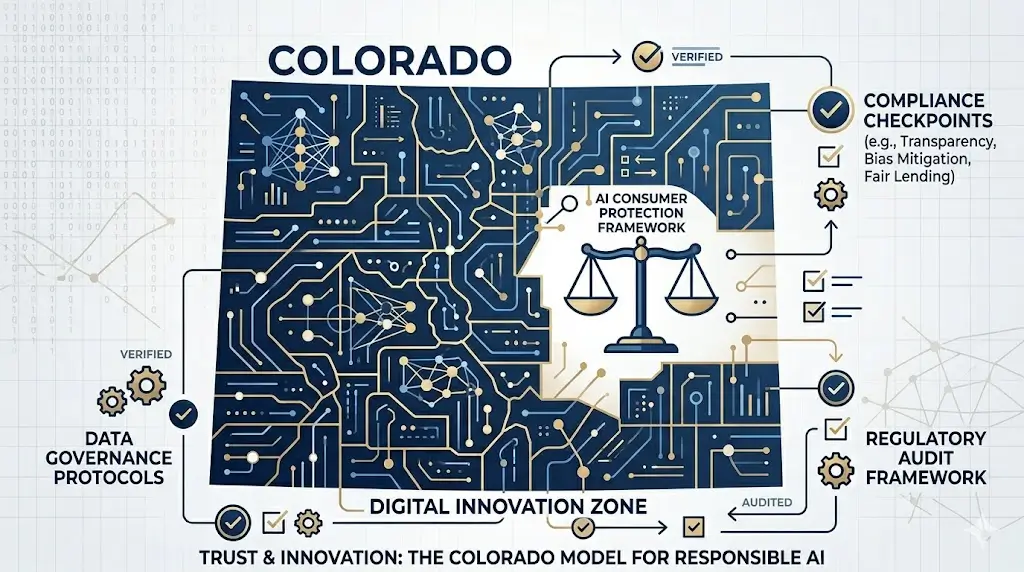
Colorado AI Act : What It Means for US Companies and the Path to Federal AI Regulation
Colorado’s Governor Jared Polis signed SB 24-205 into law on May 17, 2024, and then, in his own signing letter, urged le...
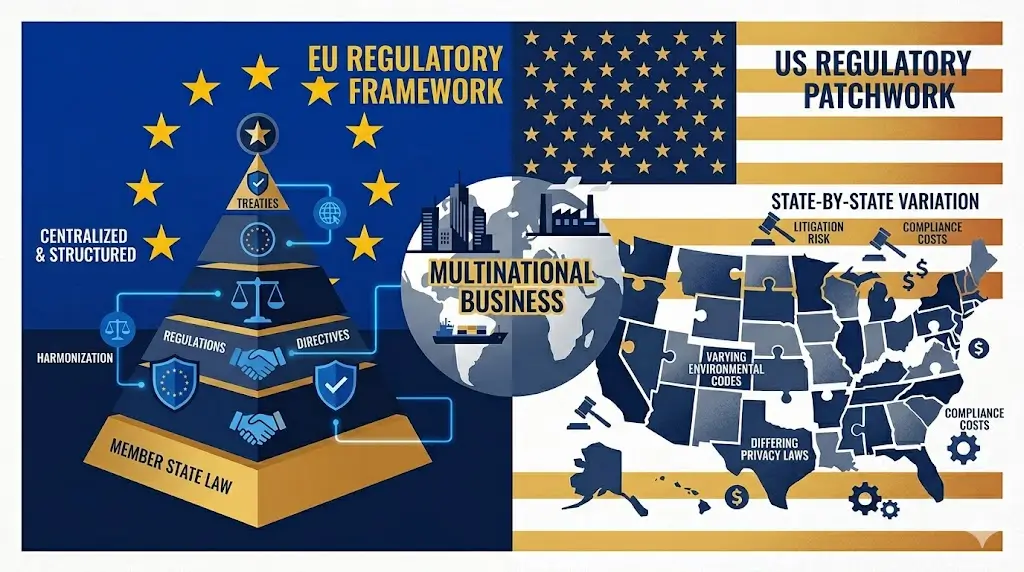
EU AI Act vs. US AI Policy: Key Differences Every Multinational Business Must Understand
Here’s the conversation I keep seeing in boardrooms and compliance meetings in early 2026: “We’ve sorted out our EU AI A...
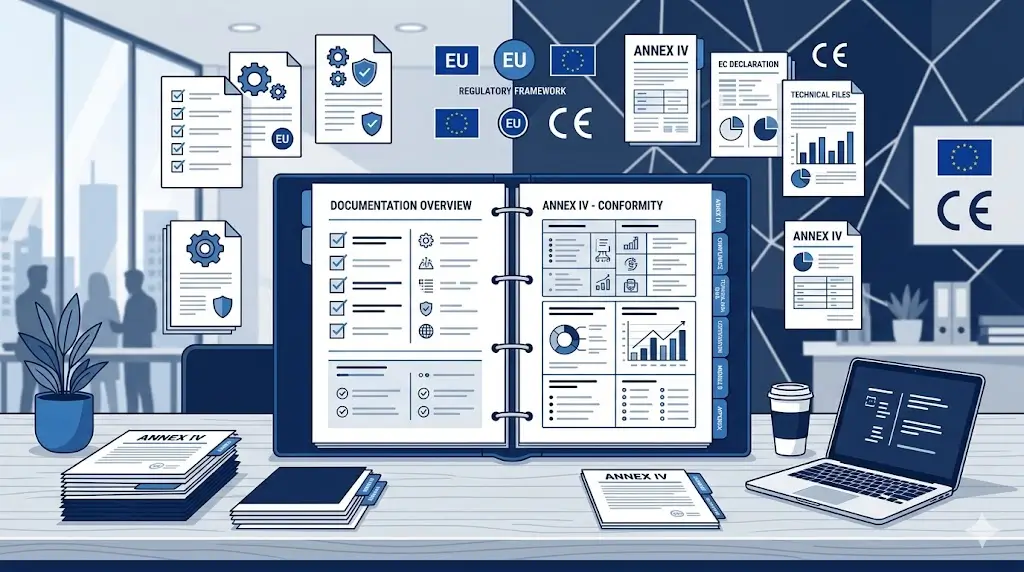
EU AI Act Documentation Requirements: What You Actually Need to Prepare
Let me tell you what I see most often when compliance teams first start working on EU AI Act documentation. They open An...
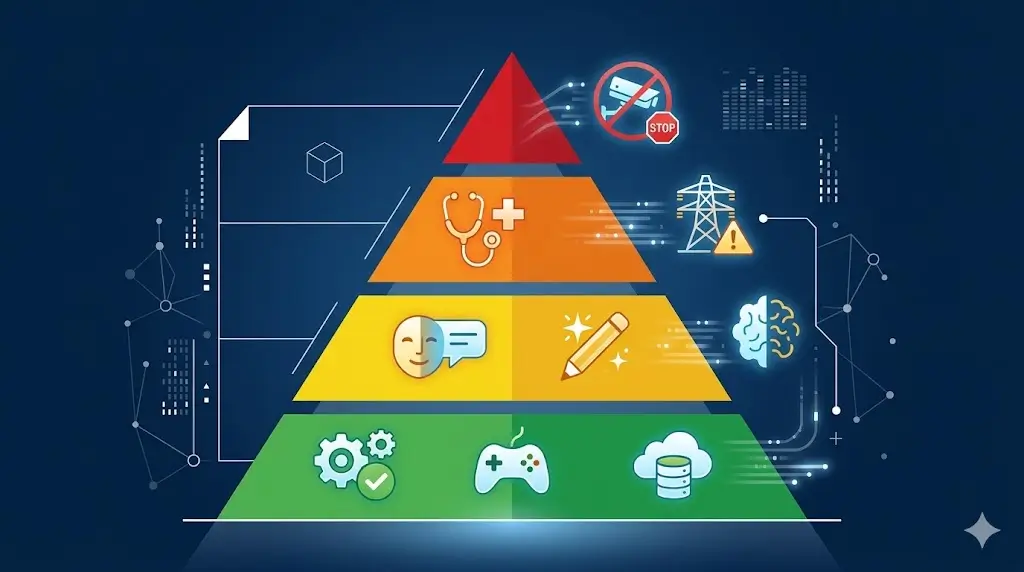
How to Classify Your AI System Under the EU AI Act (High-Risk vs. Limited Risk)
Here is the question every technical team is asking right now: Is our AI system actually high-risk under the EU AI Act —...
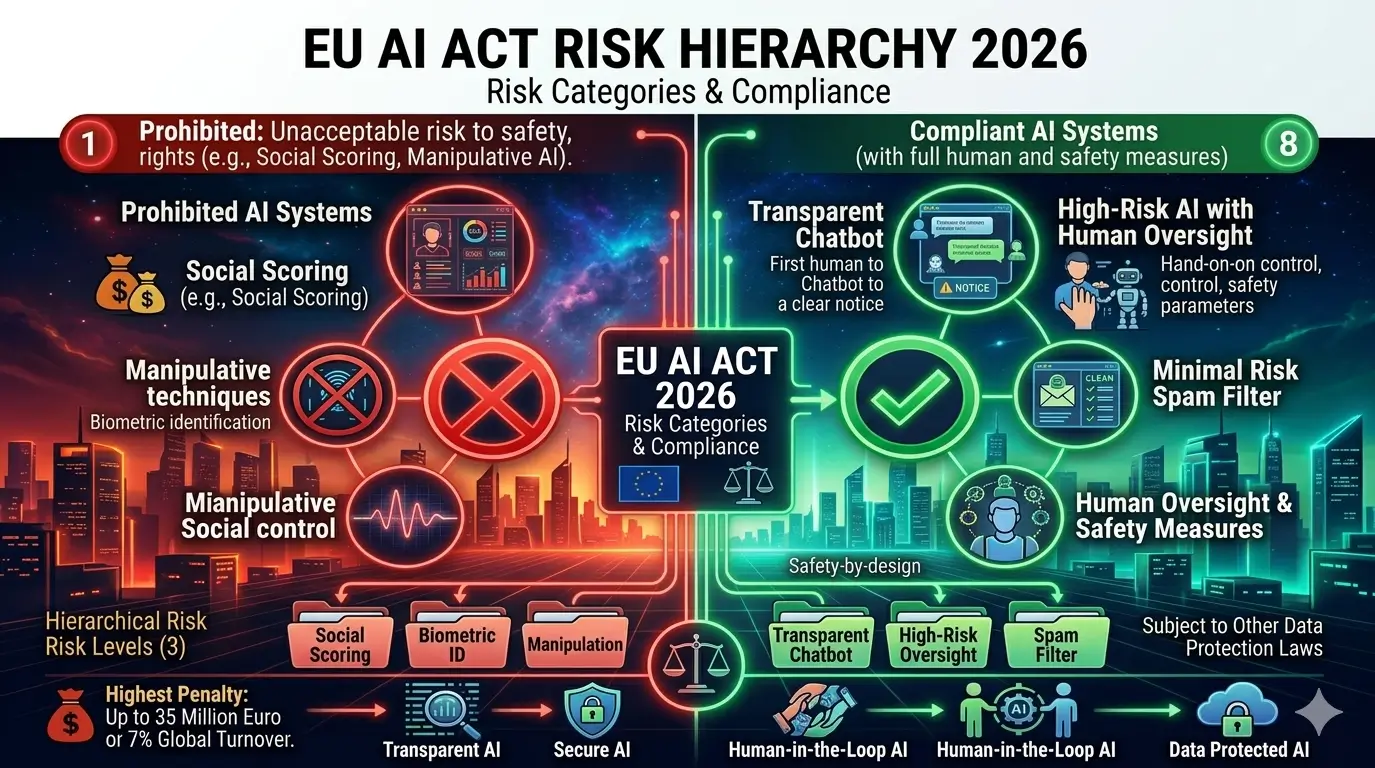
EU AI Act Explained: Risk Categories, Prohibited AI & What’s Changing in 2026
EU AI Act Explained: Risk Categories, Prohibited AI & What’s Changing in 2026 The European Union’s Artificial Intelligen...